Collection: Solitaire Engagement Rings
One stone with the whole ring behind it. The solitaire has been the definitive engagement ring for over a century — nothing about that is changing.
361 products
-
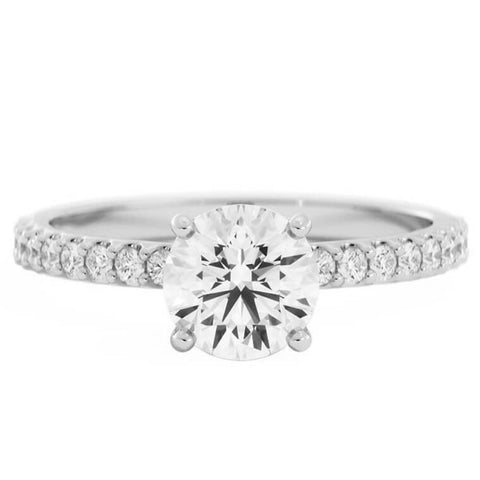
Orchid1ct Round Moissanite in 14K White Gold
Regular price $740Regular price$740Sale price $740 -
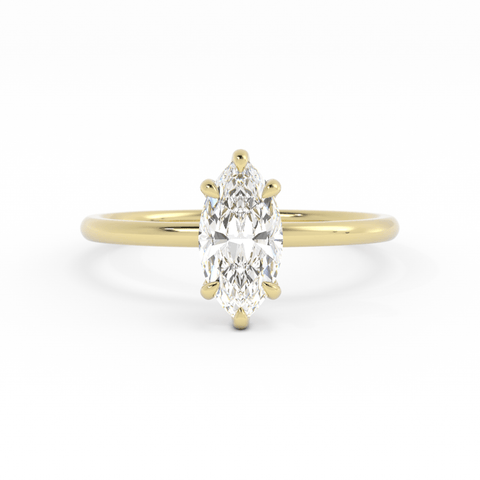
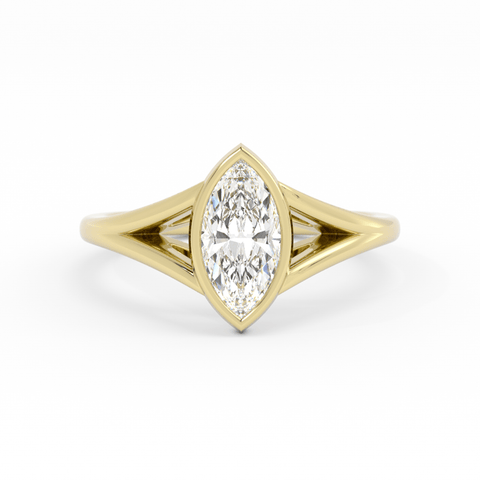
Ivy1ct Marquise Lab Grown Diamond in 14K Yellow Gold
Regular price $1,250Regular price$1,250Sale price $1,250 -
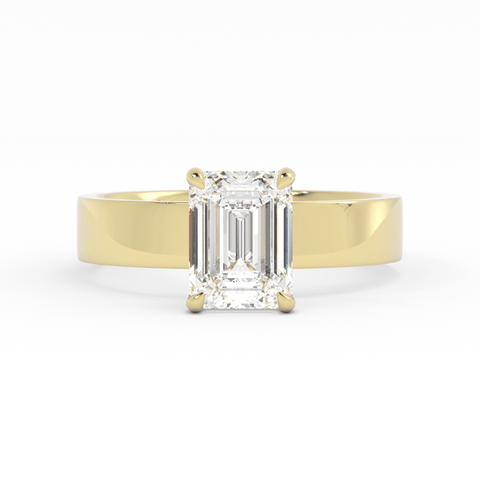
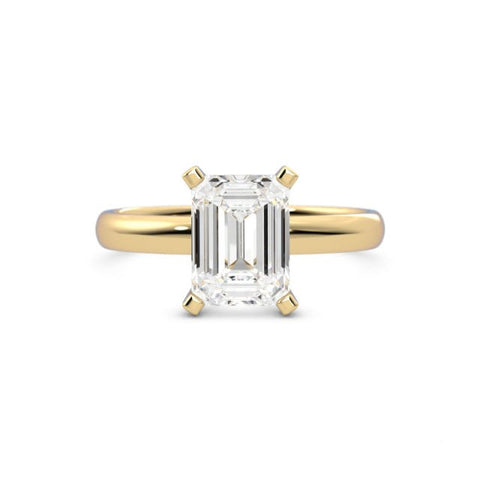
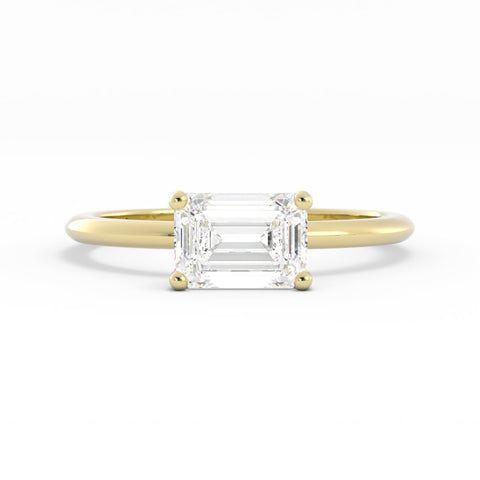
Ruby2ct Emerald Cut Lab Grown Diamond in 14K Yellow Gold
Regular price $1,990Regular price$1,990Sale price $1,990 -
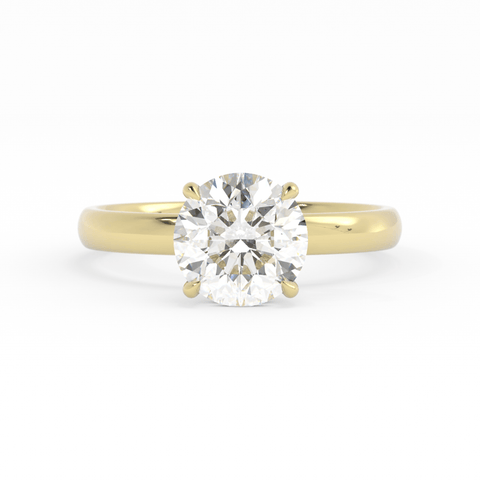
Zoe2ct Round Lab Grown Diamond in 14K Yellow Gold
Regular price $1,750Regular price$1,750Sale price $1,750 -
Meridian1.67ct Emerald Cut Moissanite in 18K Yellow Gold
Regular price $1,419Regular price$1,419Sale price $1,419 -
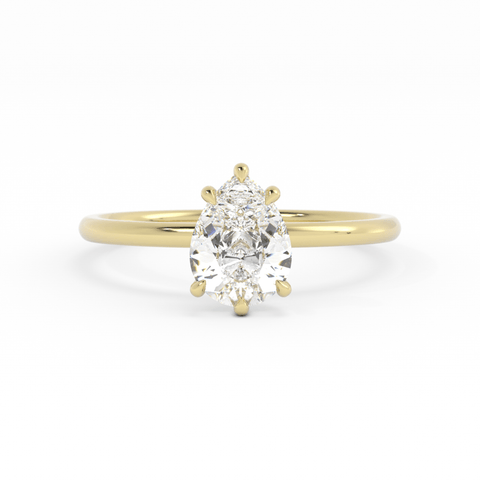
Nelly1ct Pear Lab Grown Diamond in 14K Yellow Gold
Regular price $1,200Regular price$1,200Sale price $1,200 -
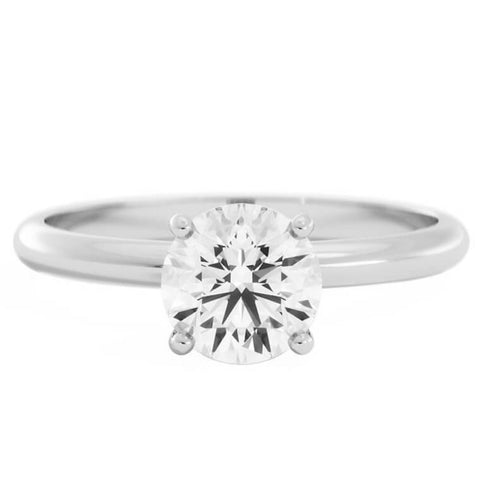
Poppy1ct Round Moissanite in 14K White Gold
Regular price $740Regular price$740Sale price $740 -
Primrose1ct Round Moissanite in 14K White Gold
Regular price $700Regular price$700Sale price $700 -
Anna2ct Oval Lab Grown Diamond in 18K Yellow Gold
Regular price $2,200Regular price$2,200Sale price $2,200 -
Nora1.33ct Round Natural London Blue Topaz in 10K White Gold
Regular price $820Regular price$820Sale price $820 -
Compass1ct Emerald Cut Moissanite in 18K Yellow Gold
Regular price $1,200Regular price$1,200Sale price $1,200 -
Auriel1ct Oval Lab Grown Diamond in 14K Yellow Gold
Regular price $1,650Regular price$1,650Sale price $1,650 -
Rose1ct Round Moissanite in 14K White Gold
Regular price $740Regular price$740Sale price $740 -
Ava2ct Round Lab Grown Diamond in 18K Yellow Gold
Regular price $2,200Regular price$2,200Sale price $2,200 -
Sophia1ct Marquise Lab Grown Diamond in 18K Yellow Gold
Regular price $1,950Regular price$1,950Sale price $1,950 -
Leva1ct Emerald Cut Moissanite in 14K Yellow Gold
Regular price $650Regular price$650Sale price $650
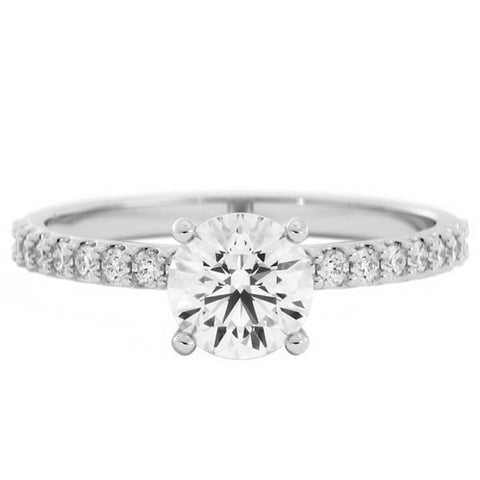
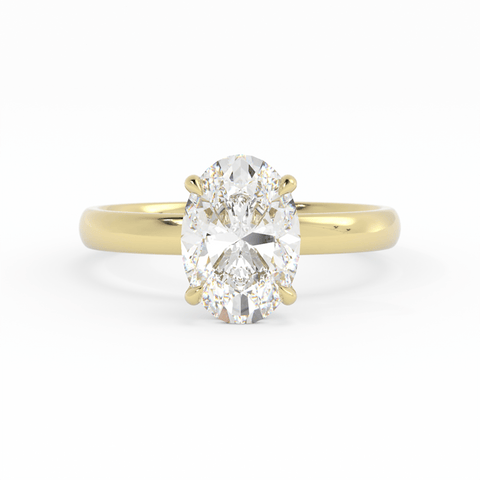
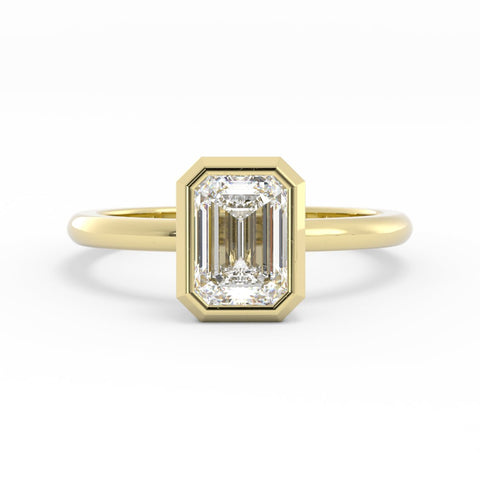
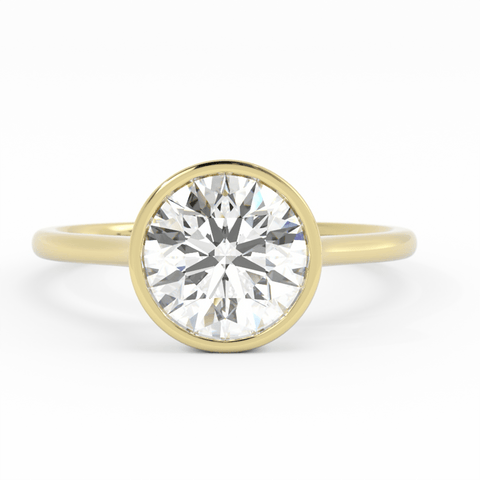
A solitaire engagement ring is defined by a single center stone — no halo encircling it, no companion stones beside it — so everything the ring says, one stone says. The band may be sleek and plain or traced with pavé, but the hierarchy never changes: one stone commands the design, and the setting exists to hold it up to the light. That restraint is why the solitaire has anchored engagement ring tradition for over a century; it puts the entire investment, and the entire eye, where they count.
Luvari's solitaire engagement rings are offered in yellow gold, white gold, rose gold, and platinum, with center stones spanning lab grown diamonds, natural diamonds, moissanite, and colored gemstones across our full range of shapes — round, oval, cushion, emerald cut, and fancy shapes. Prong styles, band profiles, and pavé details can be tailored through our semi-custom process. The solitaire suits the buyer who knows exactly what the ring is about: the stone, chosen well, presented without argument.
Explore Other Engagement Ring Styles
- Halo Engagement Rings
- Hidden Halo Engagement Rings
- Three Stone Engagement Rings
- Side-Stone Engagement Rings
- Bezel Engagement Rings
- Unique Engagement Rings
- Engagement Rings
Explore Solitaire Engagement Rings by Shape & Stone
- Round Solitaire Engagement Rings
- Oval Solitaire Engagement Rings
- Emerald Cut Solitaire Engagement Rings
- Alternative Cut Solitaire Engagement Rings
- Cushion Solitaire Engagement Rings
- Lab Grown Diamond Solitaire Engagement Rings
- Moissanite Solitaire Engagement Rings
- Natural Diamond Solitaire Engagement Rings
Frequently Asked Questions About Solitaire Engagement Rings
A solitaire engagement ring holds a single center stone — no halo around it, no companion stones beside it — so the stone alone defines the ring. The band may be plain or accented with pavé, but only one stone takes the stage. It is the oldest and most enduring engagement ring silhouette, and the reference point every other style is measured against.
"Solitaire" is French for "alone" and describes any ring whose design centers on a single stone. It says nothing about the stone type, shape, or size — a solitaire can hold a diamond, moissanite, or gemstone of any cut. The term is about the setting, not the stone: one center stone, no halo, no side stones.
Because they concentrate everything on one stone: the budget goes further, the eye goes straight to it, and nothing competes. The design also never dates — a solitaire from any decade reads current — and it pairs effortlessly with virtually every wedding band. Simplicity that flatters any shape, stone, and metal is a hard combination to outlast.
The most practical of the classic styles — with a single setting to maintain, upkeep amounts to routine cleaning and periodic prong checks to keep the center stone secure. Plain-band versions are the lowest-maintenance rings made, and pavé-band versions add only a little. Choosing a modest setting height keeps the ring clear of gloves and daily knocks.
Luvari offers solitaires in 10K, 14K, and 18K yellow gold, white gold, and rose gold, as well as platinum, with center stones spanning lab grown diamonds, natural diamonds, moissanite, and colored gemstones. Every shape in our range is available — round, oval, cushion, emerald cut, and fancy shapes — with prong style, band profile, and pavé details tailored through the semi-custom process.
A solitaire presents the center stone alone; a halo surrounds it with a frame of pavé that amplifies sparkle and face-up size. Choose the solitaire for restraint, timelessness, and a stone strong enough to stand unaccompanied — choose a halo for maximum presence from the same center stone. Neither is more correct; they simply make different promises.