Collection: Women's Lab Grown Diamond Bands
Stunning lab-grown diamond wedding bands, offering eco-friendly luxury with the same brilliance as natural diamonds.
-
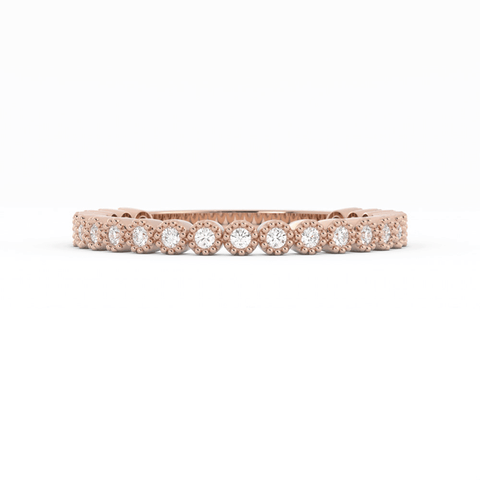
10K Rose Gold Round Three Quarter Milgrain Lab Grown Diamond Wedding Band
Regular price $305Regular price$305Sale price $305 -
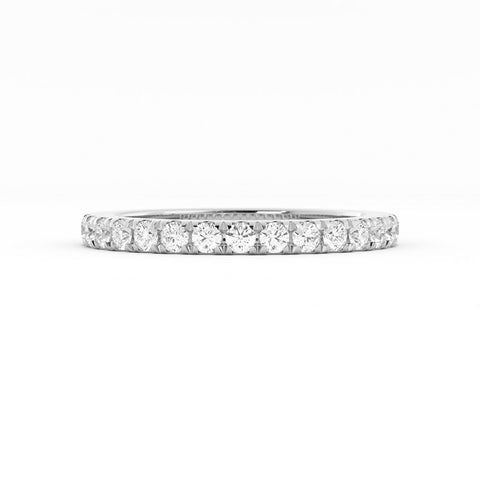
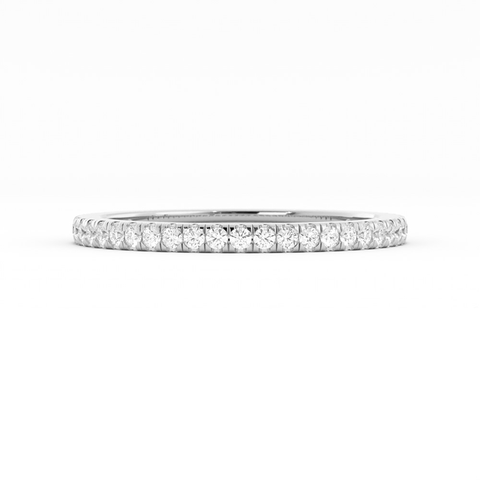
14K White Gold Round Pave Half Shank Lab Grown Diamond 2.4mm Wedding Band
Regular price $645Regular price$645Sale price $645 -
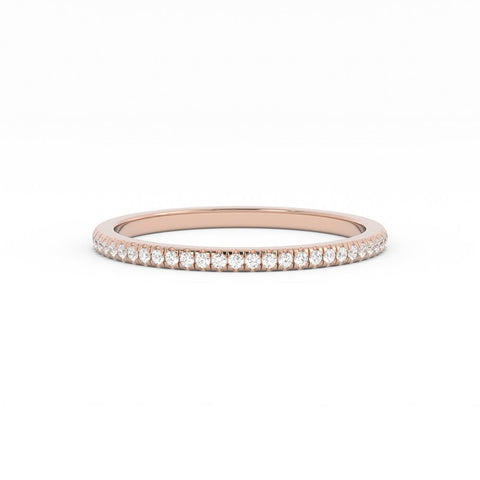
18K Rose Gold Round Lab Grown Diamond Eternity 1.7mm Wedding Band
Regular price $655Regular price$655Sale price $655 -
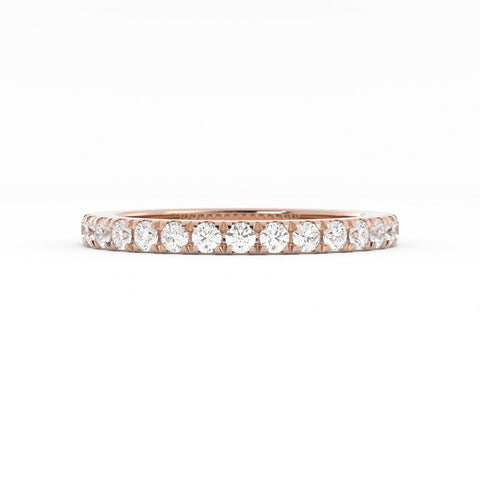
14K Rose Gold Round Pave Half Shank Lab Grown Diamond 2.4mm Wedding Band
Regular price $639Regular price$639Sale price $639 -
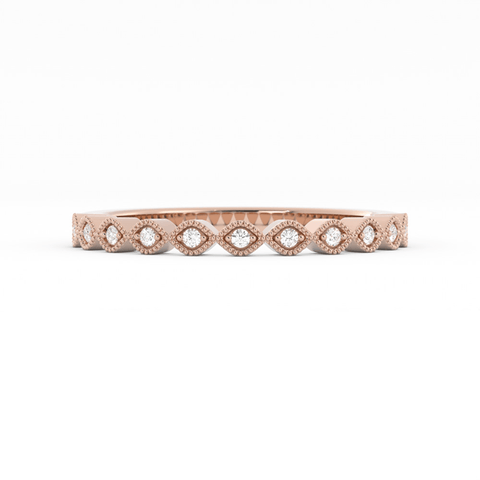
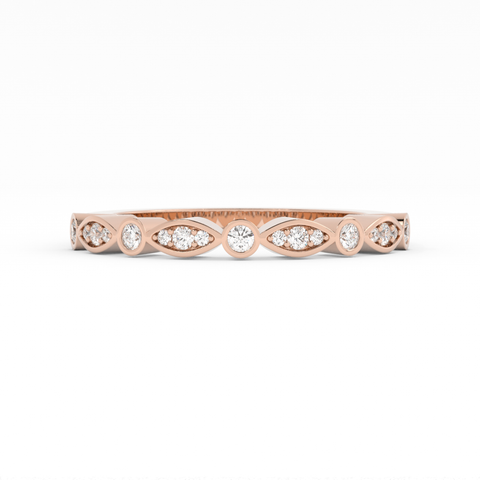
10K Rose Gold Round Half Shank Eyelet Milgrain Lab Grown Diamond Wedding Band
Regular price $249Regular price$249Sale price $249 -
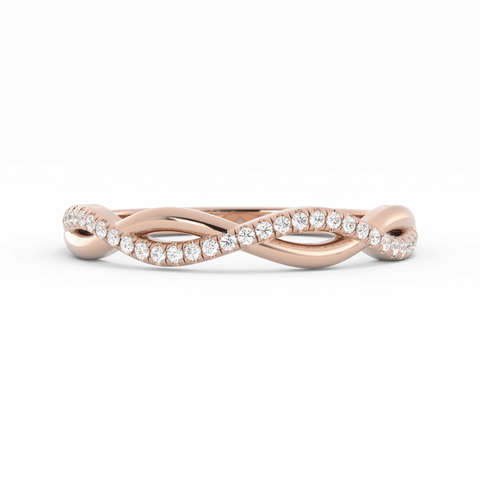
14K Rose Gold Round Half Shank Wave Pattern Lab Grown Diamond Wedding Band
Regular price $499Regular price$499Sale price $499 -
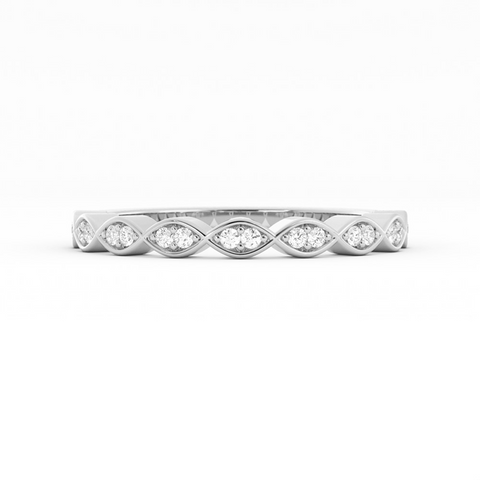
18K White Gold Round Half Shank Eyelet Paired Stone Lab Grown Diamond Wedding Band
Regular price $665Regular price$665Sale price $665 -
10K Rose Gold Three Quarter Shank Lab Grown Diamond Wedding Band
Regular price $310Regular price$310Sale price $310 -
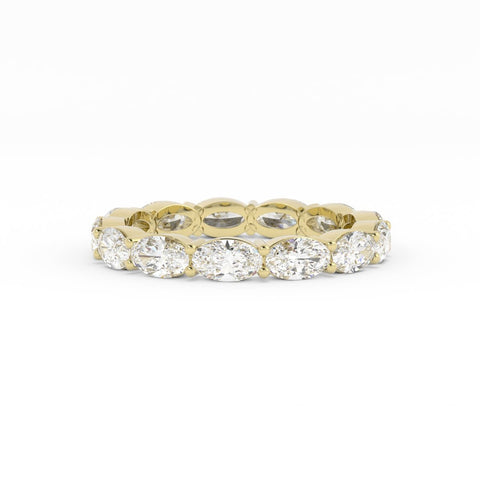
10K Yellow Gold Lab Grown Diamond Oval Eternity 2.67mm Wedding Band
Regular price $1,195Regular price$1,195Sale price $1,195 -
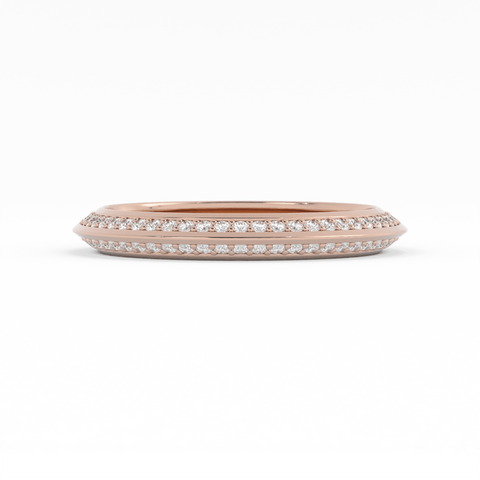
10K Rose Gold Round Double Knife Edge Lab Grown Diamond Wedding Band
Regular price $389Regular price$389Sale price $389 -
18K Rose Gold Round Eternity Lab Grown Diamond Wedding Band
Regular price $1,135Regular price$1,135Sale price $1,135 -
18K Rose Gold Round Eternity Lab Grown Diamond Wedding Band
Regular price $579Regular price$579Sale price $579 -
10K Rose Gold Round Three Quarter Alternating Eyelet Lab Grown Diamond Wedding Band
Regular price $355Regular price$355Sale price $355 -
Platinum Round Three Quarter Pave Lab Grown Diamond Wedding Band
Regular price $515Regular price$515Sale price $515
Lab-grown diamond wedding bands offer the same sparkle and brilliance as natural diamonds but with an eco-friendly and budget-conscious twist. These diamonds are grown in a controlled environment, replicating the same chemical and physical properties as natural diamonds. This sustainable option is perfect for modern brides looking for both beauty and a positive environmental impact.
Lab-grown diamond wedding bands come in various settings and styles, allowing for personalization while maintaining the luxurious look of traditional diamonds. They are set in high-quality metals like platinum, white gold, and yellow gold, ensuring durability and timeless beauty. These bands offer the same fire and brilliance as natural diamonds at a fraction of the cost.
Explore Other Women's Style Collections
- Women's Natural Diamond Bands
- Women's Moissanite Bands
- Women's Eternity Bands
- Women's Anniversary Bands
- Women's Stackable Bands
See Precious Metal Collections
Lab Grown Diamond Wedding Band FAQ
Lab-grown diamonds are real diamonds created in a laboratory environment. They have the same chemical composition, optical properties, and brilliance as natural diamonds but are grown under controlled conditions.
Yes, lab-grown diamonds are typically 20-40% less expensive than natural diamonds of the same quality, making them a budget-friendly yet luxurious option.
Absolutely. Lab-grown diamond bands can be customized with various diamond shapes, settings, and metal types, just like natural diamond bands. You can personalize your ring to suit your style.
Lab-grown diamonds are considered more eco-friendly because they require fewer natural resources and less energy to produce compared to mined diamonds. They also have a lower environmental impact.
Not by looking — no jeweler, gemologist, or wearer can separate them by eye or loupe, because there is no visual difference to find. Distinguishing them requires specialized laboratory instruments reading subtle growth patterns, and certified stones carry a microscopic girdle inscription stating their origin. On the hand, the question simply never comes up.